
Research
Our Research areas
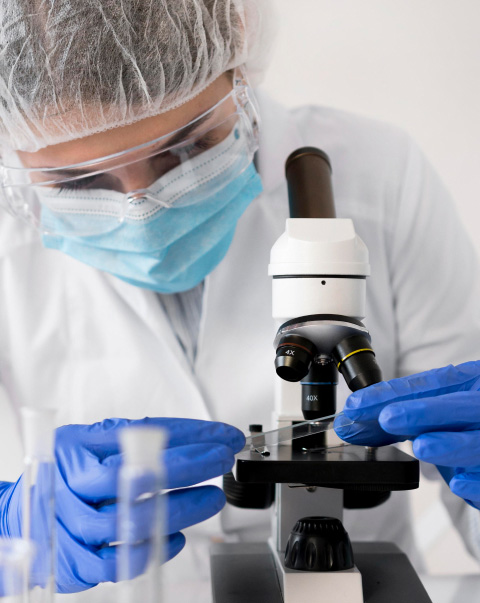
Our research explores the molecular details of light-harvesting processes of photosynthesis and how these affect cellular homeostasis and of the chloroplast, the organelle responsible for photosynthesis. We utilize a combination of molecular biology techniques along with biochemical and biophysical approaches to dissect the roles of individual components—such as pigments, proteins, and macromolecular complexes—in the broader context of photosynthesis. A key focus is on the photoprotective mechanisms that safeguard the photosynthetic apparatus from abiotic stresses. In addition to advancing our fundamental understanding of photosynthesis, we employ synthetic biology strategies to engineer novel configurations of light-harvesting complexes. These tailored complexes possess modified photon-absorbing properties, making them suitable for light-limited environments where suboptimal light conditions impede efficient photosynthesis.
Our Researches

1. FUNDAMENTALS OF PHOTON ABSORPTION
Biological photon capture is mediated by Light-Harvesting Complexes (LHCs), also known as Antenna proteins.

2. PHOTOPROTECTION FROM LIGHT STRESS
Photosynthetic organisms are occasionally exposed to excess sunlight, which cannot be productively used and becomes detrimental.

3. ENGINEERING CROP PHOTOSYNTHESIS
The global demand for food production is on the rise due to increasing population and the need for a sustainable bioeconomy - encompassing food, feed, bioenergy feedstocks
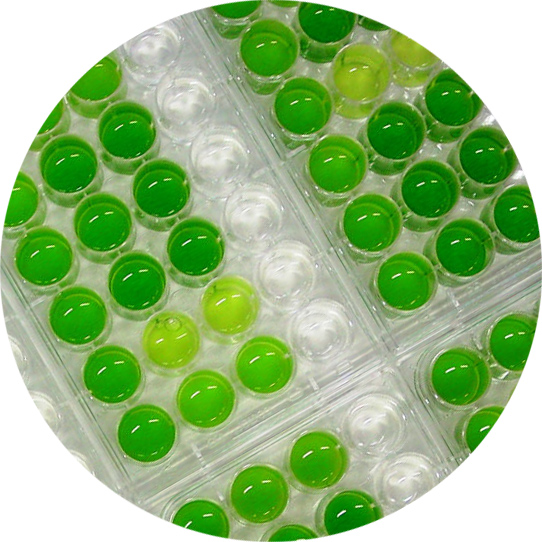
4.IMPROVING THE PRODUCTIVITY OF MICROALGAE
Microalgae are unicellular photosynthetic eukaryotes with huge potential as biomass producers with several applications in the bioeconomy