
ENGINEERING CROP PHOTOSYNTHESIS
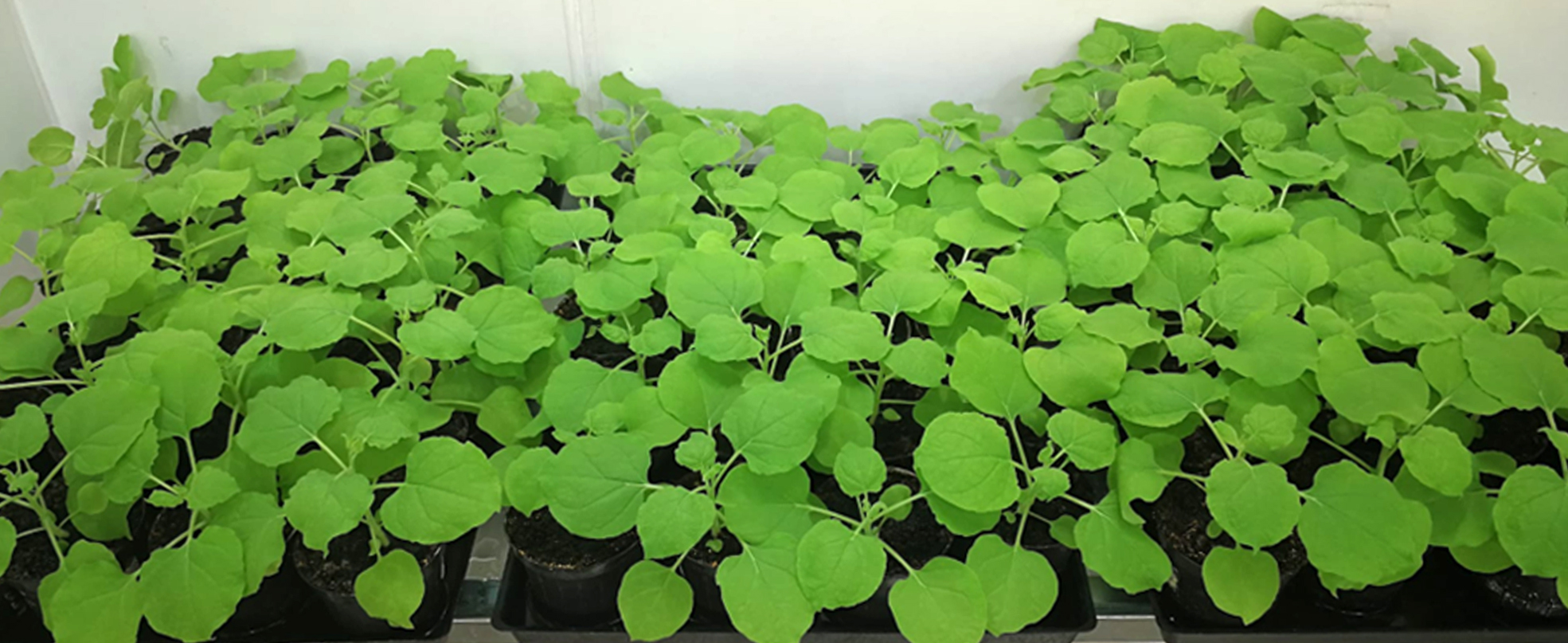
The global demand for food production is on the rise due to increasing population and the need for a sustainable bioeconomy – encompassing food, feed, bioenergy feedstocks, and high-value biomolecules. Addressing the challenge of enhancing agricultural productivity while adhering to environmental sustainability goals is a key objective in biotechnology. Crop productivity can be improved by optimizing various physiological processes. Among these, photosynthesis stands out as the essential biochemical mechanism through which primary producers transform sunlight into metabolic energy and biomass. So far, conventional breeding approaches have focused on many agronomically relevant traits but largely neglected the potential of improving the efficiency of light-to-biomass conversion, which remains low across many crops. Genetic engineering and synthetic biology can significantly help to close the gap between theoretical and actual crop yield photential by leveraging on photosynthetic reactions. Specifically, the light reactions of photosynthesis – the initial events of sunlight conversion into chemical energy – are highly promising targets for boosting crop yields.

To reach this goal, our team is working on modifying leaf pigment content and composition to alter the biophysical properties of light-harvesting proteins. This involves introducing structural modifications to antenna proteins based on insights from molecular modeling and direct structural analyses. These interventions will be implement in soybean, a crop of significant economic importance, serving as a proof-of-concept that can be adapted for other crops in the future.