IMPROVING THE PRODUCTIVITY OF MICROALGAE

Microalgae are unicellular photosynthetic eukaryotes with huge potential as biomass producers with several applications in the bioeconomy, including bioenergy feedstocks, pharmaceuticals, and high-value metabolites. Compared to terrestrial plants, microalgae have several advantages as biomass producers, including higher photosynthetic rates, tolerance to elevated carbon dioxide concentrations, a clonal nature, and the ability to grow on marginal lands and on wastewaters. This versatility enables bioremediation and carbon capture from industrial flue gases, making microalgae attractive for sustainable biotechnologies.

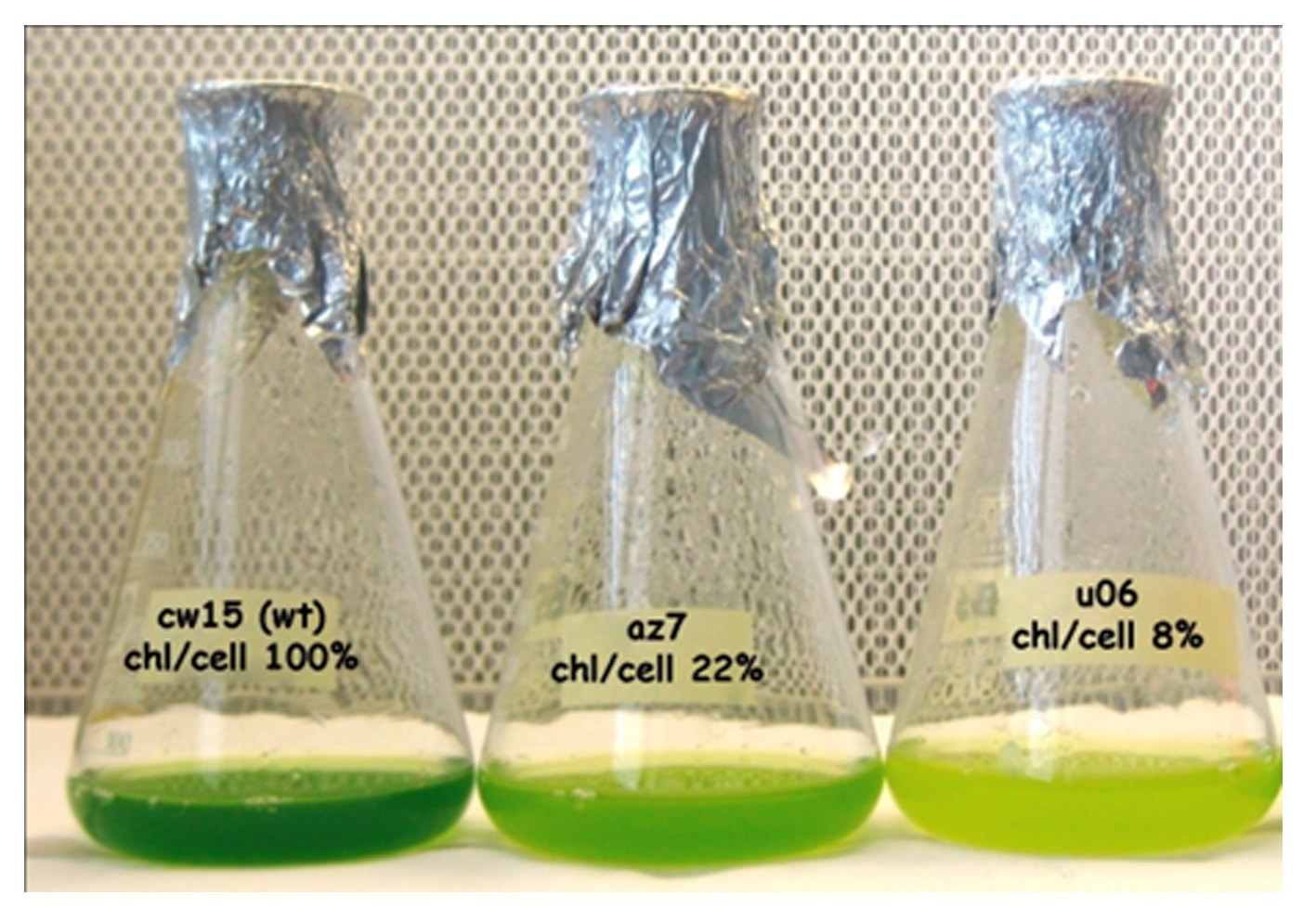
However, despite these desirable features, the productivity of wild microalgal strains remains low, limiting their competitiveness with traditional production platforms. Domestication of microalgae is a relatively new concept in biotechnology, but is proving to be a highly promising approach to enhance their stress-resilience and biomass productivity, including the production of valuable metabolites such as lipids and pigments. Our work focuses on reproducing evolutionary processes in the laboratory through directed evolution approaches. This involves applying random mutagenesis to wild strains, followed by the selection of phenotypes with desired traits. Additionally, we employ rational genetic engineering techniques to introduce entirely novel traits of biotechnological relevance, aiming to significantly improve microalgal productivity and resilience for industrial applications.